
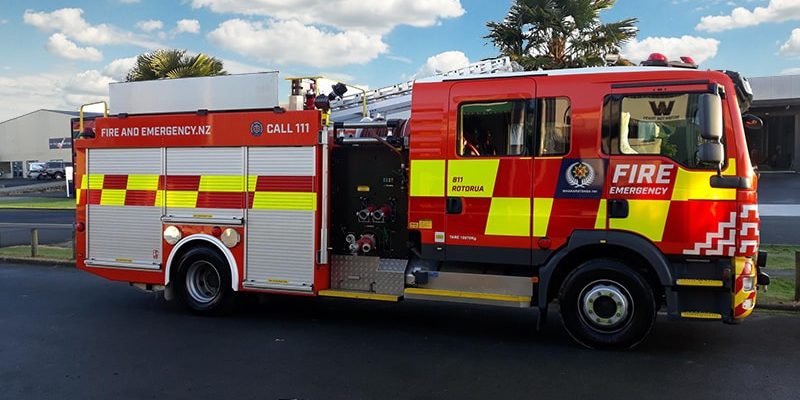
Proposed new Fire and Emergency levy regime
Updated February 2026 – legislation currently before Parliament.
The Fire and Emergency Levy (FEL) is a government-mandated charge collected through insurance premiums to fund Fire and Emergency services across New Zealand.
It is set by the Government, collected by insurers, and passed on to the Crown. Brokers and insurers do not set or retain any portion of this levy.
The Government has proposed changes to how the levy is calculated and applied through amendments to the Fire and Emergency New Zealand Act 2017.
These changes are currently progressing through Parliament. They will only take effect once the legislation is passed and receives Royal Assent.
If enacted, the new regime will take effect from 1 July 2026.
The Government has confirmed that, from 1 July 2026:
- Levy rates and settings will change.
- The basis for levy calculations will move from indemnity value to sum insured.
- Several property items that were previously exempt will be levied.
As a result, the effect of the levy reform will differ across property types and insurance portfolios.
It depends. Under the proposed rules:
- Some policies may see higher levies.
- Some may see lower levies.
- Some assets previously exempt may now attract a levy.
The impact varies depending on your property, business and insurance structure.
Current Government decisions include (but are not limited to):
- Motor vehicle insurance – a flat annual levy of $25 per vehicle.
- Residential property – 10.74 cents per $100 of sum insured, capped at $107.40 per dwelling.
- Residential contents –10.74 cents per $100 of sum insured, capped at $21.48 per policy.
- Non-residential (commercial) property – 7.76 cents per $100 of sum insured with no cap.
Additional rates apply to specific classes (e.g. aircraft, forestry, livestock) as defined in the levy regulations.
Under the new regime, levies may apply to items that were previously exempt, including (but not limited to):
- Transport infrastructure (such as roads, bridges, tunnels, railway tracks) and quarries.
- Hazardous substances.
- Retaining walls, fences, and standalone walls.
- Swimming pools, water tanks, water towers, and septic tanks.
- Water reticulation pipes.
- Electrical supply and telecommunications cabling.
Whether and how these apply will depend on individual insurance arrangements.
The levy framework has been reviewed to address concerns about:
- Funding stability – levy revenue fluctuates with insurance market conditions.
- Adequacy – growing demand on Fire and Emergency services.
- Consistency – the need for predictable, long-term funding.
The revised regime is intended to provide a more stable and sustainable funding base.
Our role is to:
- Explain the levy regime changes clearly.
- Ensure levies are applied correctly.
- Help you understand the impact at renewal.
- Review your cover to make sure your sums insured remain appropriate.
This is part of our commitment to helping Kiwi businesses and families stay prepared and protected.
You can find official updates on the Department of Internal Affairs and Fire and Emergency websites.
Or talk to your Abbott broker about how the proposed FENZ regime change affects you.
The proposed changes are not yet law. Details may change before legislation is passed.
This page will be updated as the Government confirms final rules.
Disclaimer
This content is provided for general information purposes only and does not constitute insurance, financial, or legal advice. Individual circumstances may vary.
Please reach out to your Abbott broker for guidance that is specific to your insurance.